Introduction
Everyone’s face tells a story. Over time, lines and wrinkles appear as we smile, frown, or squint. However, with Botox, you can choose which lines stay and which ones fade. Botox is a popular non-surgical wrinkle treatment used in cosmetology. It helps people manage facial lines and feel more confident. Many people now turn to Botox for wrinkle reduction and smoother skin.
What is Botox?
Botox is a purified protein made from a bacteria called Clostridium botulinum. Doctors use it in very small, safe amounts. It is approved by health authorities like the FDA for cosmetic use. People often choose Botox for fine lines and wrinkles, especially on the face.
How Botox Works
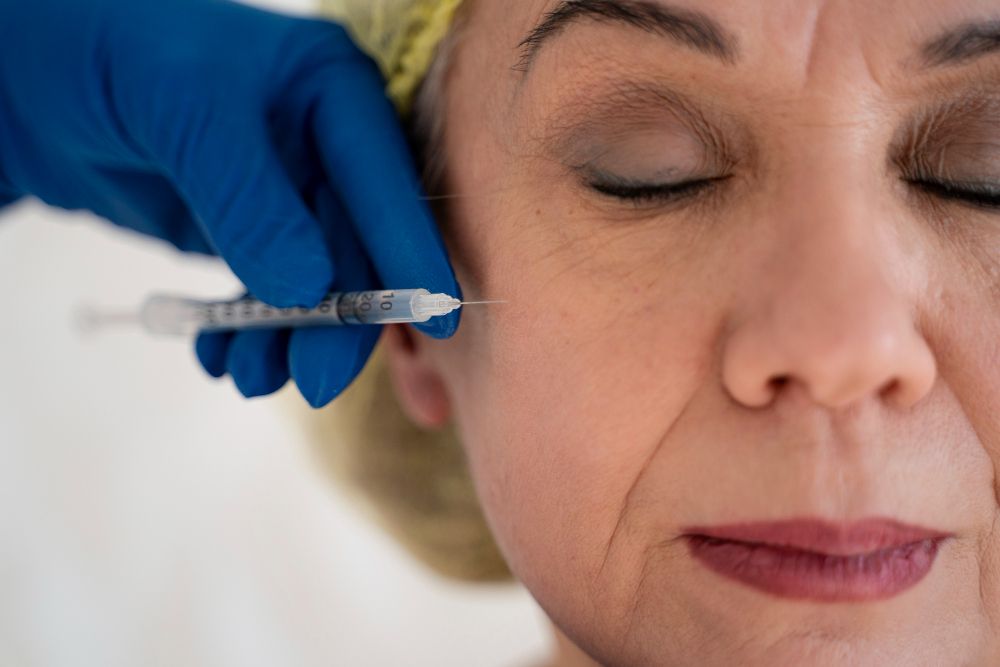
When injected, Botox relaxes the tiny muscles under your skin. As a result, these muscles stop making the movements that cause lines. This smooths out the skin above them. For example, frown lines and crow’s feet often fade after treatment. Because Botox only affects the injected area, the rest of your face moves naturally.
Common Uses of Botox for Facial Lines
Botox is most often used for:
In addition, some people use Botox for fine lines on the nose or chin. Many clinics offer Botox for wrinkle reduction as a quick, non-surgical option.
Benefits and Results
Botox offers many benefits. First, it is a non-surgical wrinkle treatment, so there are no cuts or stitches. Second, results appear within a few days. Most people see smoother skin and a fresher look. Also, the effects are temporary, so you can decide if you want to repeat the treatment. Many people feel more confident after Botox.
Safety, Side Effects, and Myths
Botox is considered safe when given by a trained professional. According to the FDA and CDC, side effects are usually mild and short-lived. Common side effects include:
Serious side effects are rare. However, it is important to choose a certified provider. Some myths claim Botox “freezes” your face or is unsafe. In reality, when used correctly, Botox allows natural movement and is well-studied. For more information, visit the CDC or FDA websites.
What to Expect During a Botox Procedure
Before the procedure, your provider will discuss your goals. Next, they will clean your skin and mark the areas to treat. The injections take only a few minutes. Most people feel little discomfort, as the needles are very fine. Afterward, you can return to normal activities right away. Some clinics near you may offer same-day appointments.
Aftercare and Longevity of Results
After Botox, you should:
Results usually last 3 to 4 months. Over time, lines may slowly return. However, regular treatments can help maintain your look.
Who Should Consider Botox?
Botox is suitable for adults who want to reduce facial lines without surgery. It is best for people in good health and with realistic expectations. However, pregnant or breastfeeding women should avoid Botox. Always discuss your health history with your provider before treatment.
Prevention and Lifestyle Tips for Healthy Skin
Besides Botox, you can help prevent new lines by:
In addition, gentle skin care and regular check-ups support healthy skin. These habits work well with non-surgical wrinkle treatments like Botox.
Conclusion
In summary, Botox lets you choose which lines tell your story. It is a safe, effective, and non-surgical wrinkle treatment for many people. If you are thinking about Botox for fine lines or wrinkle reduction, consult a certified cosmetologist to discuss if Botox is right for you.