
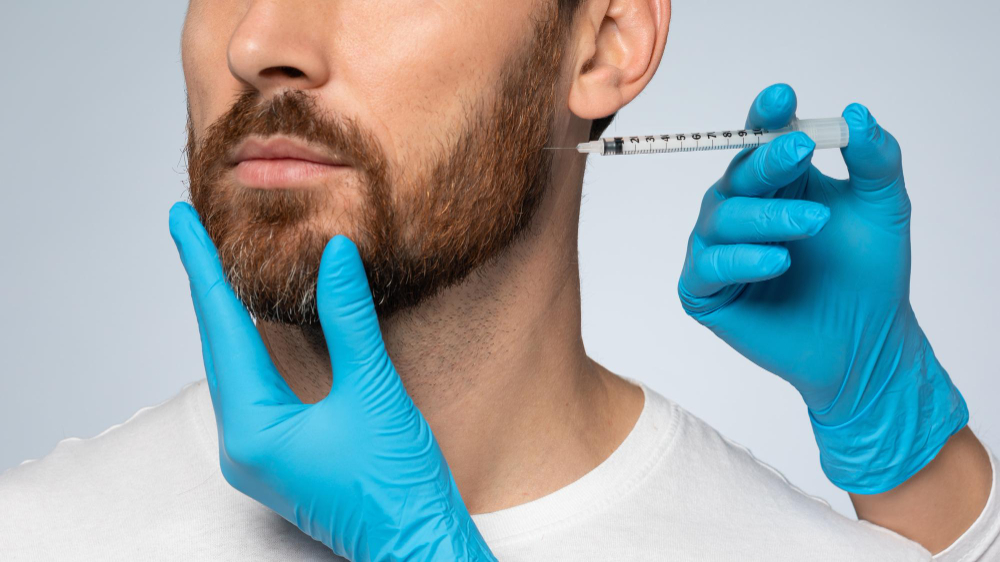
What is a Beard Transplant?
A beard transplant is a cosmetic procedure that helps men grow fuller facial hair. During this process, doctors move hair from one part of the body to the face. Usually, hair is taken from the back of the scalp. Then, it is placed in the beard area. Many people choose this treatment to improve their appearance. In recent years, beard transplants have become more popular in cities around the world.
Common Reasons for Beard Transplants
There are several reasons why someone may want a beard transplant. For example, some men have thin or patchy beards. Others may have scars or skin conditions that prevent hair growth. In addition, some people simply want a fuller or more stylish beard. Here are some common reasons:
Who is a Good Candidate?
Not everyone is a good candidate for a beard transplant. However, many healthy adults can benefit from this procedure. Doctors will check your health and hair type before starting. You may be a good candidate if:
Still, it is important to talk to a certified doctor before making a decision.
The Beard Transplant Procedure (Step-by-Step)
The beard transplant procedure is safe and usually takes a few hours. Here is a simple step-by-step guide:
Most people can go home the same day. However, you should follow your doctor’s advice for the best results.
Benefits and Potential Risks
Beard transplants offer many benefits. For instance, they can boost confidence and improve appearance. Here are some key benefits:
However, like any procedure, there are some risks. These may include:
According to the American Academy of Dermatology, most side effects are mild and go away with proper care.
Recovery and Aftercare Tips
Proper aftercare is important for a smooth beard transplant recovery. Here are some helpful tips:
Usually, swelling and redness go away within a week. Still, always contact your doctor if you notice signs of infection.
Expected Results and Timeline
Most people see new hair growth within three to four months. However, full results may take up to one year. At first, some transplanted hairs may fall out. This is normal and part of the healing process. Over time, new hair will grow and fill in the beard. With proper care, results are long-lasting and natural-looking.
Frequently Asked Questions
In summary, a beard transplant can help you achieve a fuller, natural-looking beard. However, it is important to choose a qualified doctor and follow all aftercare steps. For personalized advice on beard transplants, consult a certified cosmetologist or dermatologist.